Scatter symbols are specialized game elements designed to trigger specific bonus features or payouts, irrespective of their position on the game grid. Unlike standard symbols that require alignment on active paylines to form winning combinations, scatter symbols operate on a "scatter pays" principle, meaning their appearance anywhere on the reels can activate their designated function. This mechanism introduces a distinct layer of unpredictability and excitement, fundamentally altering the player experience and contributing significantly to a game's overall volatility and engagement profile.
Core Functionality of Scatter Symbols
The primary role of scatter symbols is to act as keys to a game's most lucrative or interactive features. Their functionality is defined by their ability to bypass traditional payline rules, making them a crucial component in modern game design.
Position-Independent Triggers
The defining characteristic of a scatter symbol is its independence from paylines. While a standard symbol might need to land on reels 1, 2, and 3 along a designated line to award a win, a scatter symbol typically only needs to appear a minimum number of times anywhere on the screen. For example, a game might require three scatter symbols to appear on any reel positions to trigger a bonus round. This position-agnostic nature increases the perceived frequency of potential bonus activations, maintaining player interest even during base game spins.
Unlocking Bonus Rounds
The most common function of scatter symbols is to initiate bonus rounds. These can range from free spins sequences to elaborate mini-games. The number of scatters appearing simultaneously usually dictates the nature or scale of the bonus. For instance, three scatters might award 10 free spins, while four scatters could grant 15 free spins with an increased multiplier, and five scatters might unlock a premium bonus feature. This tiered activation system encourages players to seek out more scatters, adding a layer of strategic anticipation.
Direct Payouts
Beyond triggering bonus features, many scatter symbols also offer direct coin payouts. These payouts are often calculated as a multiple of the total bet placed, rather than a line bet, reinforcing their value. A common structure involves a small payout for two scatters, increasing significantly for three, four, or five. This dual functionality—offering both immediate rewards and access to extended play—enhances their perceived value and contributes to the game's overall return to player (RTP) percentage.
Distinguishing Scatters from Other Special Symbols
Understanding the precise role of scatter symbols requires differentiating them from other special game elements that also modify gameplay or payouts.
Scatter vs. Wild Symbols
The distinction between scatter and wild symbols is fundamental. Wild symbols act as substitutes for other standard symbols, helping to complete or extend winning combinations on active paylines. They typically do not trigger bonus features themselves, though some games incorporate "sticky wilds" or "expanding wilds" within bonus rounds. Scatter symbols, conversely, do not substitute for other symbols; their value lies solely in their ability to trigger features or provide payouts based on their quantity, irrespective of their position or adjacency.
Scatter vs. Bonus Symbols
While often used interchangeably, "bonus symbol" can sometimes refer to a symbol that exclusively triggers a specific bonus game without offering direct payouts or adhering to the "scatter pays" rule. A scatter symbol, by its definition, adheres to the position-independent payout/trigger mechanic. Some games might have a "Free Spins" symbol that acts as a scatter, and a separate "Pick-Me Bonus" symbol that requires specific alignment, blurring the lines but maintaining distinct mechanical roles.
Pro Tip: Always consult the game's paytable before playing. This document details the exact behavior of scatter symbols, including the number required for triggers, specific payout values, and any unique rules governing their interaction with other game features. Misunderstanding scatter mechanics can lead to incorrect expectations regarding bonus frequency and overall game volatility.
Impact on Game Design and Player Experience
The strategic implementation of scatter symbols significantly influences both the technical design and the psychological appeal of a game.
Engagement Driver: Scatters are powerful engagement tools. Their ability to appear anywhere and potentially trigger a significant event means every spin carries the possibility of unlocking a bonus, even if the paylines don't align. This constant potential for a "big win" through bonus activation keeps players invested.
Volatility Contribution: The frequency and payout structure of scatter-triggered bonuses heavily influence a game's volatility. Games with infrequent but highly lucrative scatter bonuses tend to be high volatility, offering larger but less frequent wins. Conversely, games with more frequent, smaller scatter-triggered events might exhibit lower volatility, providing a more consistent stream of smaller rewards.
RTP Allocation: A substantial portion of a game's theoretical Return to Player (RTP) percentage is often allocated to its bonus features, which are frequently activated by scatter symbols. Developers carefully balance the base game payouts with the bonus round payouts to achieve the desired RTP, making scatter mechanics a critical factor in the overall economic model of the game.
Common bonus features triggered by scatter symbols include:
- Free Spins: A set number of spins played without deducting from the player's balance, often with added multipliers or special wild features.
- Pick-and-Win Games: Players select items from a grid to reveal cash prizes, multipliers, or further bonus rounds.
- Bonus Wheels: A spinning wheel determines prizes, ranging from cash to jackpots or additional free spins.
- Re-spins: Certain reels re-spin while others hold, offering another chance to form winning combinations or trigger more scatters.
- Expanding Symbols: During free spins, a chosen symbol expands to cover entire reels, increasing win potential.
Strategic Considerations for Game Developers
For game developers, the design and implementation of scatter symbols involve several strategic decisions that impact player retention and game balance.
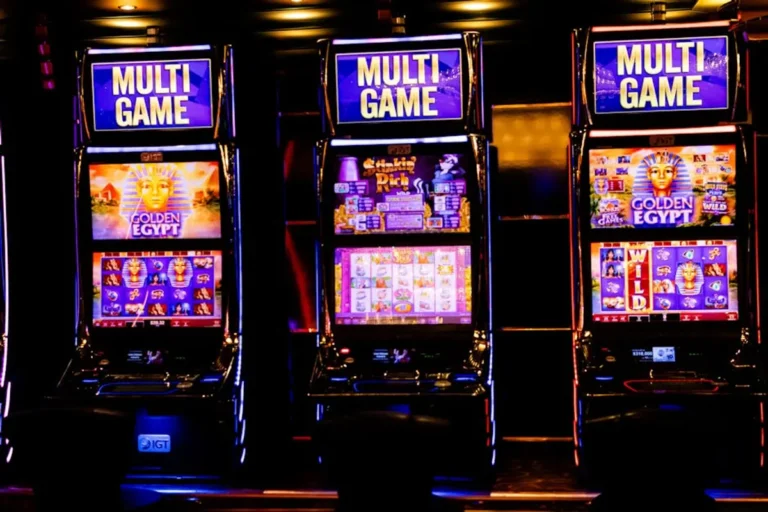
The frequency with which scatters appear and the number required to trigger a bonus are critical variables. A game with very rare scatter triggers might frustrate players, while overly frequent triggers could dilute the excitement or make the bonus less impactful. Balancing these aspects ensures that the anticipation remains high without leading to player fatigue. Furthermore, the thematic integration of scatter symbols is important; they often represent key narrative elements or characters, enhancing the game's immersive qualities. For instance, a game themed around ancient Egypt might use a Pharaoh's mask as a scatter, tying the mechanic directly into the visual and narrative experience.
Maximizing Engagement with Scatter Mechanics
Scatter symbols are indispensable components in game design, serving as the primary gateway to a game's most dynamic and rewarding features. Their ability to trigger bonuses regardless of position injects a crucial element of chance and excitement into every spin, moving beyond the traditional payline structure. Understanding how scatter symbols function—from their trigger conditions to the specific bonuses they unlock—is key to appreciating the strategic depth and commercial appeal inherent in modern game mechanics. For both players and developers, these symbols represent a pivotal design choice that directly influences engagement, volatility, and the overall value proposition of the game.
Frequently Asked Questions About Scatter Symbols
Can scatter symbols substitute for other symbols?
No, scatter symbols do not substitute for other symbols. Their primary function is to trigger bonus features or provide payouts based on their quantity, whereas wild symbols are designed to substitute for other symbols to complete winning combinations.
Do scatter symbols always pay out?
Not always. While many scatter symbols offer direct coin payouts in addition to triggering bonuses, some are designed exclusively to activate bonus rounds like free spins or mini-games without an accompanying cash reward for their appearance.
How many scatter symbols do I need to trigger a bonus?
The number of scatter symbols required to trigger a bonus feature varies significantly by game. Typically, three or more scatter symbols appearing anywhere on the reels are needed, but some games might require only two for a minor bonus or four or five for a more substantial one.
Are scatter symbols always themed?
Scatter symbols are frequently designed to align with the game's overall theme, featuring iconic characters, objects, or logos that enhance the narrative and visual experience. However, their core functionality is mechanical, so while thematic relevance is common, it is not a strict requirement for a symbol to act as a scatter.