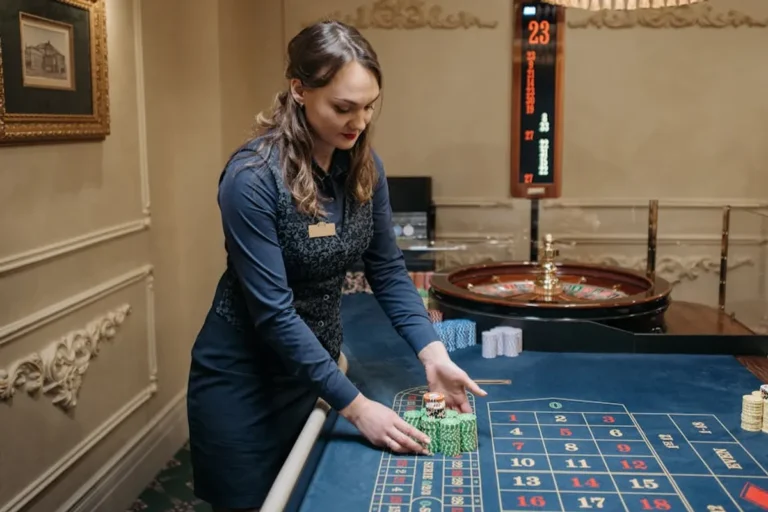
For those new to online gaming environments, the sheer variety of options can be daunting, particularly when deciding between the immediate appeal of digital slots and the interactive experience of live casino games. The core question for many newcomers revolves around which format offers a more straightforward path to understanding and enjoyment, minimizing the initial friction of learning rules and mechanics. This comparison aims to delineate the inherent complexities and simplicities of each category, providing a clear framework for assessing their respective learning curves.
Deconstructing Slots: Core Mechanics and Layered Features
Slots are often perceived as the simplest form of online gaming, primarily due to their intuitive core loop: a player places a bet, spins the reels, and awaits a combination of symbols. This fundamental action requires no strategic input beyond bet sizing, making the initial barrier to entry extremely low.
Basic Gameplay and Visual Cues
At their most basic, slots operate on a principle of random chance. Players interact with a graphical interface featuring a set number of reels (typically 3 or 5) and rows. Winning combinations are formed by matching symbols across predefined paylines. The visual feedback is immediate: winning lines light up, animations play, and credits are added to the balance. This direct cause-and-effect makes the game easy to follow even without understanding every underlying rule.
Adding Complexity: Paylines, Wilds, and Scatters
While the spin button is universal, modern slots introduce layers of complexity. The number of paylines can range from a single line to thousands (e.g., Megaways mechanics), each representing a potential winning path. Special symbols like "Wilds" (substitute for other symbols to complete wins) and "Scatters" (trigger bonus features regardless of payline position) add strategic depth without requiring player decisions. Understanding how these symbols function is crucial for comprehending potential payouts but is often learned through observation rather than explicit study.
Understanding Volatility and Return to Player (RTP)
Beyond visual mechanics, slots are defined by their statistical properties: Volatility and Return to Player (RTP). RTP indicates the theoretical percentage of wagered money a slot will pay back to players over time. Volatility (or variance) describes the frequency and size of payouts—high volatility slots pay out less often but in larger amounts, while low volatility slots pay out more frequently but with smaller sums. While these concepts don't directly impact gameplay decisions, understanding them helps manage expectations and bankroll, moving beyond pure surface-level understanding.
Pro Tip: Many online slots offer a demo play mode, allowing players to spin reels and experience bonus features without wagering real money. This is an invaluable tool for understanding specific game mechanics, payline structures, and bonus triggers before committing financially.
Navigating Live Casino Games: Rules, Strategy, and Interaction
Live casino games, streamed in real-time with human dealers, offer an experience closer to a physical casino. Their ease of understanding is fundamentally tied to the specific game being played, as each carries its own set of rules, betting options, and strategic considerations.
Core Game Categories and Their Rulesets
Live casino lobbies typically feature classic table games such as Blackjack, Roulette, Baccarat, and various Poker derivatives. Each of these games demands a distinct understanding:
- Roulette: Relatively simple to grasp. Players bet on where a ball will land on a spinning wheel. The complexity lies in the multitude of betting options (single numbers, colors, odds/evens, groups of numbers) and their associated payouts. No player strategy influences the game's outcome once the bet is placed.
- Blackjack: Requires understanding card values and basic strategy. Players aim to get a hand total closer to 21 than the dealer without exceeding it. Decisions (hit, stand, double down, split) directly impact the game's outcome, introducing a strategic layer.
- Baccarat: Often considered simpler than Blackjack. Players bet on the "Player" hand, the "Banker" hand, or a "Tie." The dealer handles all card drawing rules, making it a game of pure chance once bets are placed, similar to Roulette.
- Poker Variants (e.g., Casino Hold'em, Three Card Poker): These are simplified versions of traditional poker, played against the house rather than other players. They require knowledge of poker hand rankings and specific betting rounds, often involving decisions to fold or raise.
Pace of Play and Dealer Interaction
Unlike the instant gratification of slots, live casino games unfold at a human pace. Dealers announce betting rounds, interact with players via chat, and manage the game flow. This interaction can be a comfort for some, providing clarity and a social element, but it can also feel slower or more intimidating for those accustomed to automated processes. Understanding basic casino etiquette, even in an online setting, contributes to a smoother experience. Many players find comfort in this social element, which is a key aspect of how live dealer games work and interact with participants.
Betting Structures and Table Limits
Live games feature distinct betting structures and table limits. Players must understand minimum and maximum bets, as well as how different bets (e.g., inside vs. outside bets in Roulette) contribute to the overall wager. This financial aspect is more pronounced than in slots, where bet size is typically a single adjustable parameter. This financial aspect is more pronounced than in slots, where bet size is typically a single adjustable parameter, making it vital to pick casino games based on budget.
Comparing the Learning Curves: Slots vs. Live Casino Games
The ease of understanding fundamentally diverges between these two categories based on several key factors:
Rules and Strategic Depth
Slots: Generally, the rules are implicit. Players learn by doing, observing symbol matches and bonus triggers. Strategic depth is minimal, focusing on bankroll management and choosing games with preferred volatility.
Live Casino Games: Explicit rules must be learned for each specific game. Blackjack demands strategic decisions, while Roulette and Baccarat require understanding betting options. The learning curve is steeper for games involving player decisions.
Pace and Player Input
Slots: Instantaneous, self-paced play. Decisions are limited to bet size and hitting spin.
Live Casino Games: Slower, dictated by the dealer and other players. Requires active decision-making in many games, often within a time limit.
Interaction and Social Dynamics
Slots: A solitary experience. No interaction beyond the game interface.
Live Casino Games: Interactive with a human dealer and sometimes other players (via chat). This can be engaging or overwhelming, depending on player preference.
Factors Influencing Perceived Accessibility
The "ease" of understanding is subjective and can be influenced by individual factors:
- Prior Experience: Players with a background in traditional casino games will find live casino games more familiar. Those new to all forms of gambling may find slots' simplicity more appealing initially.
- Learning Style: Visual learners might gravitate towards slots' immediate feedback, while those who prefer structured rules and strategic thinking might appreciate the challenge of live table games.
- Availability of Guidance: Many live casino platforms offer in-game rules and tutorials. Utilizing these resources significantly reduces the learning curve for complex games.
- Game Specifics: Within each category, there's a spectrum. A classic 3-reel slot is simpler than a Megaways slot with cascading reels and multiple bonus rounds. Similarly, live Roulette is generally easier to grasp than live poker variants.
Choosing Your Starting Point
When considering whether slots or live casino games are easier to understand, the answer leans towards slots for immediate accessibility. Their core mechanics require no prior knowledge or strategic input, making them ideal for casual play and newcomers seeking instant entertainment.
Live casino games, while offering a richer, more interactive experience, demand a commitment to learning specific rules and, for some games, basic strategy. However, for those who enjoy structured play, strategic thinking, and a social element, the initial investment in learning can yield a more engaging long-term experience. Ultimately, the "easier" option depends on a player's willingness to learn, their preference for speed versus strategy, and their comfort with interactive environments.
Frequently Asked Questions
Are all slot games equally easy to understand?
No. While the basic spin mechanic is universal, modern slots introduce varying levels of complexity through features like multiple paylines, cascading reels, expanding wilds, and intricate bonus rounds, which can require more observation to fully grasp.
Can I play live casino games without knowing the rules?
You can observe live casino games without playing, which is a good way to learn. However, to participate and make informed bets, understanding the specific rules of the game (e.g., Blackjack, Roulette) is essential.
Which type of game offers a higher chance of winning?
Both slots and live casino games have a built-in house edge, meaning the casino always has an advantage over the long term. For slots, this is determined by their RTP. For live games like Blackjack, applying optimal strategy can reduce the house edge, but it never guarantees a win.
Is it possible to practice live casino games for free?
Unlike slots, which often have demo modes, live casino games typically do not offer free play because they involve real human dealers and limited table seats. However, you can often observe games in progress without placing bets to familiarize yourself with the gameplay.