
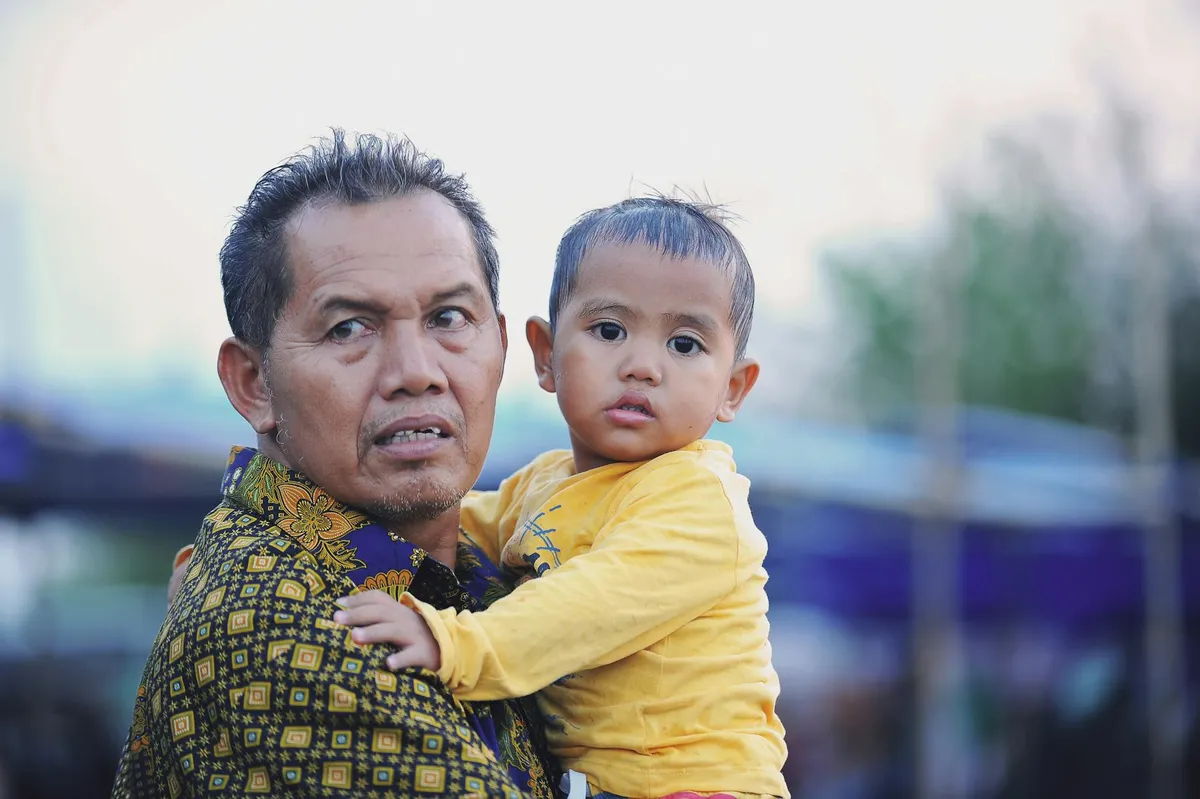
Problem gambling has specific warning signs. Recognizing them early — in yourself or in someone you love — matters substantially because earlier recognition leads to better outcomes.
This guide is written for Indonesian residents and families. The signs are universal but the Indonesian context (where gambling is illegal) creates specific dynamics worth understanding.
Why this matters
Problem gambling produces substantial harm:
Financial damage that can be devastating for individuals and families.
Relationship damage including marriage breakdown, family conflict, broken friendships.
Career and educational damage through job loss, missed opportunities, performance issues.
Mental health damage including depression, anxiety, suicidal ideation.
Physical health damage through stress effects, sleep disruption, neglected health needs.
Legal complications particularly in restrictive frameworks like Indonesia.
The harm is real and substantial. Early recognition reduces harm.
What problem gambling actually is
Problem gambling is a specific behavioral health condition:
Recognized as disorder in major diagnostic systems including DSM-5.
Has specific clinical features including loss of control, continuation despite consequences, preoccupation with gambling.
Treatable through specific clinical interventions.
Distinct from recreational gambling — frequency or amount alone doesn't determine problem status.
Develops gradually for most people rather than appearing suddenly.
Affects measurable percentage of gamblers — not majority experience but real population.
Early warning signs in yourself
Signs that may indicate developing problem gambling:
Thinking about gambling frequently when not gambling.
Increasing the amount or frequency of gambling activity.
Difficulty stopping gambling once started.
Feeling restless or irritable when not gambling.
Gambling to escape from problems or negative emotions.
"Chasing losses" — gambling more to try to win back what you've lost.
Lying to family or friends about gambling activity or losses.
Borrowing money to gamble or to pay gambling debts.
Risking or losing important relationships, job, or opportunities because of gambling.
Multiple unsuccessful attempts to stop or cut back.
Five or more of these signs across the past year suggests substantial problem gambling concern.
Warning signs in someone you love
Signs that someone close to you may have a gambling problem:
Unexplained financial problems including missing money, mounting debt, unpaid bills.
Preoccupation with gambling-related topics, sites, or apps.
Time absences without clear explanation.
Mood swings particularly tied to wins and losses.
Defensiveness or secretiveness about gambling activity.
Changes in sleep, eating, or general behavior.
Withdrawal from family activities, relationships, or interests.
Asking to borrow money with vague explanations.
Pawning or selling personal items.
Specific high-profile arguments or conflicts about money.
Multiple signs across time suggest substantial concern warranting addressing.
Indonesian-specific dynamics
Indonesian context creates specific dynamics around problem gambling:
Legal status creates specific shame and concealment incentives.
Religious framework creates specific moral framing affecting help-seeking.
Cultural patterns including family privacy can delay external help-seeking.
Limited Indonesian-specific gambling treatment infrastructure.
Specific stigma patterns affect both individuals and families.
Cross-border (offshore online) gambling creates specific dynamics for affected residents.
The Indonesian context affects how problem gambling develops and how help is sought.
Why people don't recognize their own problems
Specific reasons people miss their own warning signs:
Denial — hoping the problem isn't real or will resolve itself.
Comparison with extreme cases — "I'm not like those people who lose everything."
Rationalization — finding specific reasons each gambling instance was justified.
Variance interpretation — interpreting recent wins as evidence of skill or "due hits."
Sunk cost thinking — feeling continued gambling is necessary to recover losses.
Specific psychological patterns associated with gambling disorder including cognitive distortions.
Recognition by trusted family or friends often precedes self-recognition.
How to talk to someone you suspect has a problem
If you're concerned about someone you love:
Choose a calm time and private setting.
Express specific concerns rather than general accusations.
Use "I" statements about your observations rather than "you" statements that feel attacking.
Acknowledge their experience while expressing concern.
Ask open questions rather than making demands.
Listen rather than pressing your conclusions.
Mention specific resources they might consider.
Recognize that one conversation rarely produces change — patience and continued support matter.
Take care of yourself too — supporting someone with gambling problems is demanding.
What to do if you recognize the problem in yourself
If you recognize warning signs in your own behavior:
Acknowledge it honestly to yourself.
Talk to someone you trust — family member, close friend, religious figure, healthcare provider.
Take immediate practical steps to limit gambling access (block sites, remove apps, change passwords known to others).
Limit access to money used for gambling — give debit/credit cards to family member temporarily, cancel unnecessary cards, freeze accounts where possible.
Seek professional support through available Indonesian resources.
Accept that recovery takes time — multiple attempts may be needed.
Forgive yourself for past gambling — guilt without action doesn't help.
Build support network of family, friends, professionals committed to helping.
Indonesian resources that exist
For Indonesian residents seeking help:
General mental health services through Indonesian healthcare system address gambling-related issues.
Specific psychiatric and psychological services accept gambling-related referrals.
Religious counseling through specific institutions provides support compatible with Indonesian Muslim majority context.
Specific NGO and support organization resources address gambling-related issues.
Online resources including Gamblers Anonymous Indonesia and similar self-help frameworks.
International resources accessible from Indonesia provide additional support.
Specific family support resources address family member needs.
The resources are real. Cultural and practical complications affect access but help is genuinely available.
What treatment actually involves
Substantive treatment for gambling problems:
Cognitive behavioral therapy (CBT) has substantial evidence for treating gambling disorder.
Group support including Gamblers Anonymous and similar frameworks.
Family therapy addressing relationship dimensions of gambling problems.
Specific medication treatment for some related conditions (depression, anxiety, etc.).
Financial counseling addressing specific financial damage.
Religious counseling integrating Indonesian Muslim context.
Treatment is typically multi-modal addressing multiple dimensions.
Recovery is generally gradual rather than immediate.
What family members can do
For family members of someone with gambling problems:
Take care of yourself first — you can't support someone else if you're depleted.
Set financial boundaries including separation of finances if necessary.
Don't cover gambling debts repeatedly — enabling typically extends rather than ending the problem.
Maintain communication while not enabling.
Encourage professional help rather than trying to fix the problem yourself.
Connect with family support resources for affected family members.
Recognize that you didn't cause the problem and can't cure it alone.
Long-term patience is necessary — recovery is gradual.
What recovery looks like
Realistic recovery patterns:
Initial intervention often produces substantial change.
Continued recovery requires ongoing work across years.
Relapses may occur — they don't mean treatment isn't working.
Recovery often produces broader life improvements beyond gambling cessation.
Specific life rebuilding may be substantial depending on damage extent.
Long-term recovery is genuinely possible with sustained effort and support.
The honest takeaway
Problem gambling produces substantial harm but is recognizable and treatable.
Warning signs in yourself or someone you love warrant attention rather than denial.
Indonesian context creates specific dynamics but doesn't prevent help-seeking.
Resources exist within Indonesia and through international support.
Earlier intervention produces substantially better outcomes than late intervention.
Family support substantially affects treatment outcomes.
Recovery is possible with sustained effort.
If you're reading this and recognizing yourself or someone you love — that's a step forward. Take the next step.
Help is real. The shame is real but it shouldn't prevent you from getting help.
Indonesian families affected by gambling problems deserve support and resources. Both exist.
That's the honest case for taking warning signs seriously rather than waiting for crisis.