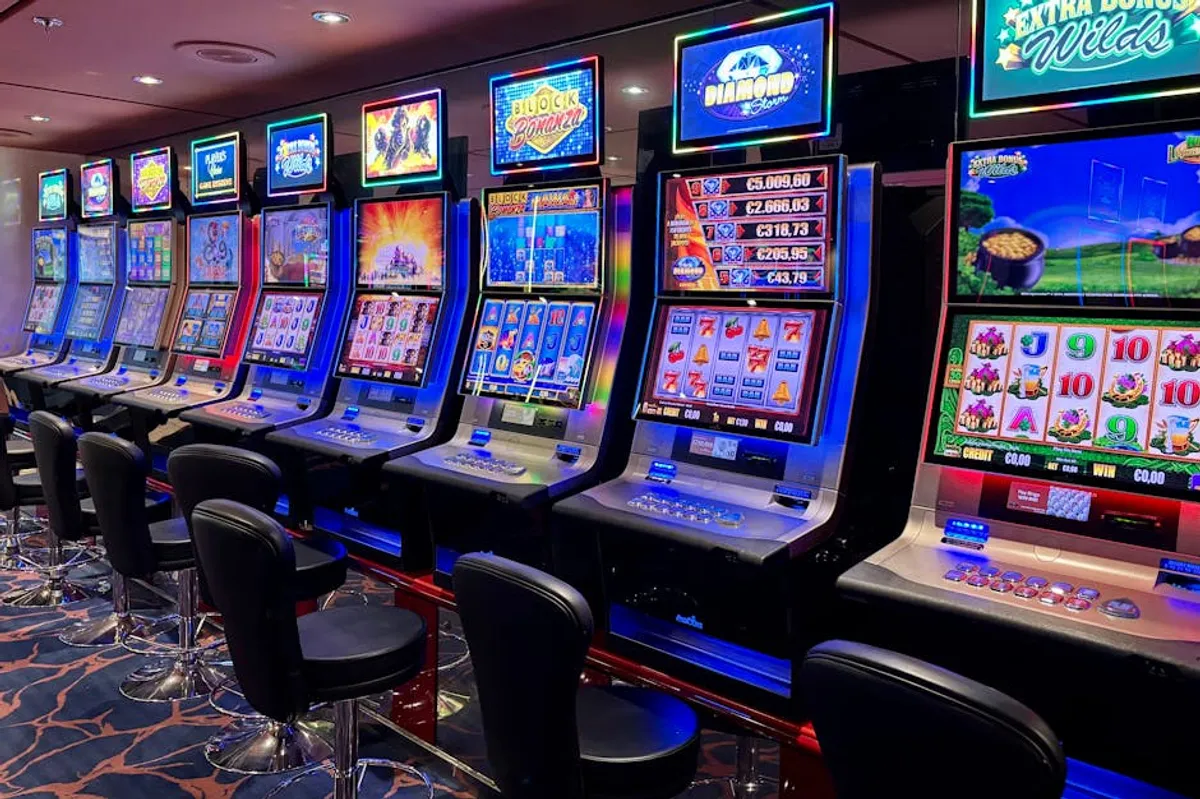
The choice between live casino experiences and online slots represents a fundamental divergence in digital entertainment, each catering to distinct player preferences and offering unique operational considerations. Understanding these differences is critical for platforms aiming to optimize content, user acquisition, and retention strategies. Live casino environments emphasize real-time interaction and human elements, replicating the brick-and-mortar casino atmosphere. Online slots, conversely, prioritize immediate gratification, diverse themes, and algorithmic gameplay.
Core Mechanics and Player Experience
Live casino games connect players with actual dealers and physical game equipment via high-definition video streams. This setup means games like blackjack, roulette, baccarat, and poker unfold in real-time, with results determined by physical cards, wheels, or dice. The pace of play is often dictated by the dealer and other participants, mirroring a traditional casino floor. Player experience is shaped by the authenticity of the interaction, the visual fidelity of the stream, and the perceived fairness of a human-controlled game.
Online slots operate on a different principle, relying on Random Number Generators (RNGs) to determine outcomes. Each spin is an independent event, and results are instantaneous. The player experience is characterized by rapid gameplay, often accompanied by elaborate animations, sound effects, and themed narratives. The absence of human interaction means players dictate their own pace, making it suitable for quick sessions or extended, solitary play.
Engagement and Social Interaction
The social dimension is a primary differentiator. Live casino environments foster a sense of community and direct engagement. Players can often interact with the dealer via chat functions, and sometimes with other players at the table. This human connection can enhance trust and immersion, as results are visibly generated and moderated by a person. The presence of a live dealer also adds an element of showmanship and personality that static digital games cannot replicate.
Online slots are largely solitary experiences. While some platforms incorporate social features like leaderboards or shared jackpots, the core gameplay loop remains individual. Engagement is driven by the game's mechanics, bonus features, and the pursuit of winning combinations. The appeal lies in the direct, uncomplicated interaction with the game itself, free from social pressures or the need to wait for other participants.
Game Variety and Evolution
Live casino offerings typically focus on classic table games, albeit with numerous variations (e.g., Lightning Roulette, Speed Blackjack, multiple poker formats). Innovation often centers on enhancing the presentation, introducing game show-style elements, or refining the user interface for seamless interaction. The physical limitations of studio space and human dealer availability can influence the breadth of unique game types available.
Online slots boast an almost limitless variety. Developers can create new themes, mechanics, and bonus rounds with relative ease, leading to thousands of distinct titles. This allows for constant innovation in gameplay, visual design, and narrative integration. The lower barrier to entry for development means a continuous influx of new content, catering to highly niche preferences and trends. This breadth of choice is a significant draw for players seeking novelty.
Pro Tip: When evaluating content strategies, consider the audience's primary motivation. Live casino appeals to those seeking authenticity, social interaction, and a slower, more deliberate pace. Online slots attract players who value instant gratification, diverse themes, and self-paced, high-frequency gameplay. Tailoring content and marketing messages to these distinct psychological drivers will yield better engagement.
Strategic Depth vs. Pure Chance
Many live casino games, such as blackjack and poker, involve elements of strategy, skill, and decision-making. Players can influence outcomes through their choices, which adds a layer of intellectual engagement. Understanding probabilities, optimal strategies, and managing one's bankroll are integral to the experience. This strategic component can lead to a deeper, more sustained form of engagement for certain player segments.
Online slots are predominantly games of pure chance. While players make decisions about bet size and sometimes trigger bonus features, the outcome of each spin is fundamentally random and cannot be influenced by skill. The appeal here is the simplicity, the thrill of anticipating a random win, and the entertainment derived from the game's presentation. This accessibility makes slots attractive to a broad audience, including casual players who prefer not to engage with complex rules or strategies.
Monetization Models and Payout Structures
Both live casino and online slots generate revenue through the house edge, but their payout structures and volatility can differ. Live casino games often have a lower house edge than many slots, particularly for games like blackjack when played with optimal strategy. Payouts are generally more consistent but smaller, reflecting the strategic element and lower volatility. This can appeal to players who prefer sustained play with less dramatic swings.
Online slots typically feature higher volatility and a wider range of payout possibilities, from small, frequent wins to large, infrequent jackpots. The RTP (Return to Player) percentage is a key metric, indicating the theoretical percentage of wagered money a slot pays back over time. Slots can offer progressive jackpots that accumulate across multiple games or even networks, leading to life-changing sums, which is a major draw. The monetization model often relies on the volume of spins and the allure of high-multiplier wins.
Choosing the Right Engagement Model
The decision between focusing on live casino or online slots, or a combination of both, depends on the target audience and strategic objectives. For platforms aiming to replicate the traditional casino atmosphere and build a community around interactive, skill-based play, live casino is the direct route. It offers a premium, immersive experience with a strong trust factor due to human interaction.
Conversely, for those prioritizing broad appeal, instant entertainment, and vast content diversity with minimal player interaction requirements, online slots are the clear choice. They offer endless thematic possibilities and cater to players seeking quick thrills and the potential for large, randomized payouts. Many successful platforms integrate both, understanding that these two categories fulfill distinct psychological needs for different player segments.
- Live Casino Strengths:
- Authentic, immersive casino atmosphere
- Real-time human dealer interaction
- Strategic gameplay elements (e.g., blackjack, poker)
- Higher perceived fairness and trust
- Slower, more deliberate pace of play
- Online Slots Strengths:
- Instantaneous, rapid gameplay
- Vast thematic and mechanical diversity
- Pure chance-based outcomes (no skill required)
- Potential for large, progressive jackpots
- Self-paced, solitary entertainment
Frequently Asked Questions
What is the main difference in gameplay between live casino and online slots?
Live casino games involve real human dealers and physical equipment streamed live, requiring real-time decisions and often strategy. Online slots use Random Number Generators (RNGs) for instant, automated outcomes, relying purely on chance.
Which type of game offers more social interaction?
Live casino games inherently offer more social interaction, as players can chat with dealers and sometimes other participants, replicating a communal casino experience. Online slots are primarily solitary games.
Are live casino games or online slots more strategic?
Live casino games like blackjack and poker often involve strategic decision-making and skill, allowing players to influence outcomes. Online slots are games of pure chance, with no skill component affecting the spin results.
Which option typically has a wider variety of themes and game types?
Online slots offer a significantly wider variety of themes, mechanics, and bonus features due to the ease of digital development. Live casino games primarily focus on variations of classic table games.