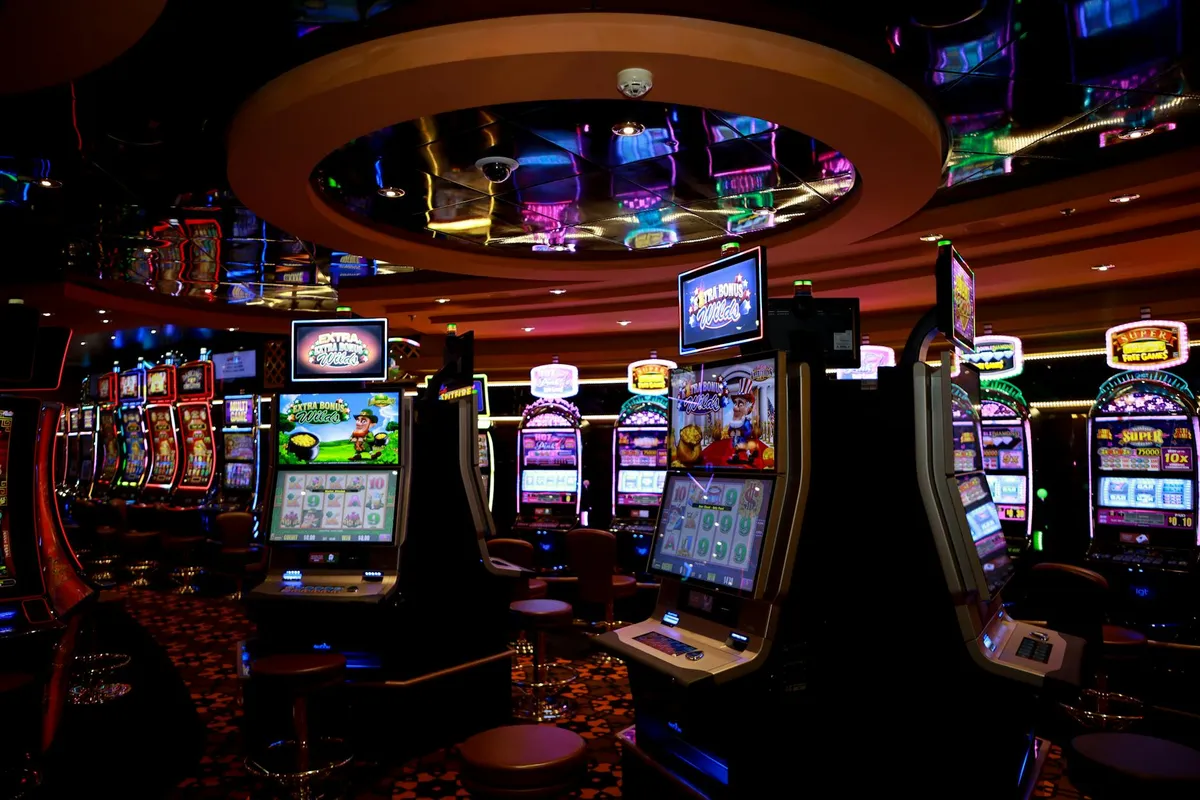
If a friend asked me how slot machines actually work, I wouldn't give them marketing copy or technical jargon. I'd explain it the way I understand it, in language that makes sense, focused on what actually matters for their decisions.
So here's how slot machines actually work, written for friends rather than for operator marketing.
Every spin is independent
The first thing to understand: each spin is completely independent of every other spin.
What this means: the slot machine doesn't "remember" that you've been losing. It doesn't care that you've put in a lot of money. It doesn't become "due" for a win.
The next spin has exactly the same probability of winning as the first spin you ever played on that machine.
This is mathematically true and operationally true. Every legitimate slot machine works this way.
If anyone tells you that slots get "hot" or "cold" or that there are patterns to spot, they don't understand how slots work. Or they're trying to sell you something.
RTP is what the machine pays back over time
RTP means "Return to Player." It's the percentage of all money put into the machine that gets paid back as wins, calculated across millions of spins.
If a slot has 96% RTP, then across millions of spins, the machine pays out about 96 cents for every dollar put in. The other 4 cents is what the casino (or operator) keeps.
What this means for you: over enough spins, you lose. The machine is mathematically designed so that you lose. There's no exception to this.
Higher RTP means you lose more slowly. Lower RTP means you lose faster.
If anyone tells you a slot is "loose" or that they have a "winning machine," they don't understand RTP. The machine is what the machine is. The math is the math.
Variance can produce dramatic short-term swings
Even though the machine pays back about 96% over millions of spins, your specific session can produce dramatically different results.
You might lose everything quickly. You might win a lot quickly. You might bounce up and down.
This is variance. It's the difference between long-run mathematical expectation (you lose) and short-run actual results (anything can happen in any specific session).
What this means: short-term wins don't mean the machine is paying. Short-term losses don't mean it's about to pay. Short-term anything is just variance.
If anyone tells you they have a strategy that beats variance, they don't understand what variance is. Variance is unpredictable by definition.
"Bonus rounds" are part of the same math
Bonus rounds, free spins, multipliers, all the special features — they're part of the same RTP calculation.
The machine is programmed to pay back about 96% across all spin types combined. Bonus rounds aren't "extra" payment. They're part of the total payback.
What this means: triggering a bonus round doesn't change your overall expected return. The machine has to be less generous in regular spins to be more generous in bonuses, or vice versa.
The dramatic visuals and sounds during bonus rounds are designed to make them feel special. The math doesn't make them special.
Maximum win sizes are calculated
The maximum possible win on a slot is calculated as part of the math.
If a slot can pay 5,000x your bet maximum, that's a specific calculated outcome. It happens at specific (extremely low) probability.
What this means: dreams of life-changing wins on slots are mathematically possible but extremely improbable. If you're playing for the maximum win, you're essentially playing a very expensive lottery.
If anyone tells you they "feel" they're going to hit the max win, they're not feeling anything except hope.
"Volatility" tells you about the path of returns
Volatility (or variance) describes how the machine pays out.
Low-volatility machines pay frequent small wins. You lose slowly with lots of small "wins."
High-volatility machines pay infrequent large wins. You lose mostly through long dry stretches with occasional bigger wins.
What this means: same RTP, different experience. Pick volatility based on what kind of experience you want, not because it changes whether you win or lose long-term.
You still lose. You just lose differently.
The display is designed to make you keep playing
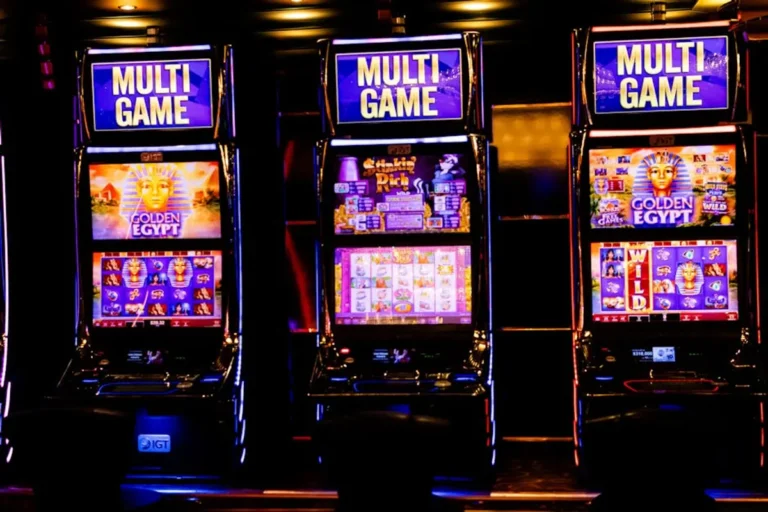
Slot machines are designed for engagement. The lights, sounds, animations, "near misses," bonus features — all of it is designed by people whose job is keeping you playing.
"Near misses" are particularly designed. When two of three matching symbols line up, the machine emphasizes the third symbol that didn't match. This creates a feeling that you almost won. You didn't. You lost.
The audio celebration after small wins (smaller than your bet) is also designed. The machine plays winning music when you "win" 50 cents on a $1 bet. You lost 50 cents. The music is to make it feel like winning.
What this means: the experience is engineered. The engineering serves operator interests, not yours.
Online slots work the same way
Online slots use the same mathematical principles as physical machines.
Random number generators determine outcomes. RTP is calculated. Volatility is set. The math is the math.
What this means: there's nothing magical about online slots. Same math. Same designed-to-make-you-keep-playing engineering.
Online slots may be more accessible, more available, faster to play, and easier to spend money on. The accessibility doesn't change the math.
The house always wins eventually
Across millions of spins, the slot pays back less than what comes in. That's what RTP under 100% means.
Across enough sessions, your specific outcomes approach the mathematical expectation. You lose money.
Some people get lucky. Most don't. The math doesn't care about your individual outcomes; it averages out across millions of plays.
What this means: if you play long enough, you lose money. The only question is how slowly.
If you stop after a winning session and never play again, you can keep your win. Most people don't stop. They keep playing until variance catches up with them.
What I tell friends who ask about slots
When friends ask me about slots, my honest answer:
You can't beat them. The math is set up so you can't.
You can lose less by understanding RTP and volatility.
You can avoid feeling like you have a system because no system overcomes the math.
You can recognize that you're paying for entertainment rather than investing.
If slots are causing problems, problem gambling support exists.
If you're playing recreationally with money you're comfortable losing, that's your choice.
Just don't fool yourself about what's happening mathematically.
What I won't tell you
Things I won't tell you because they're not true:
I won't tell you which slot is "loose" or "hot." Slots don't work that way.
I won't tell you when to play for best results. Time of day doesn't affect modern slots.
I won't tell you what bet size triggers bonuses. Bet size affects payout but not probability of triggering.
I won't tell you a "system" that beats slots. No system beats slots.
I won't tell you which sites are "best" because that's not the relevant question for slots in Indonesia.
Why I write about this anyway
If slots can't be beaten and the marketing is mostly nonsense, why write about slot math?
Because Indonesian residents see slot promotional content constantly. They deserve to understand what's actually happening behind the marketing.
Because Indonesian families are affected by gambling problems. Substantive understanding of slot math is part of what supports better decisions.
Because honest information serves people better than promotional content does.
Because if someone is going to think about playing slots, they should at least understand what they're thinking about.
The honest takeaway
Slot machines work in specific mathematical ways most people don't understand.
Each spin is independent. RTP determines long-run outcomes. Variance produces short-run swings. The display is designed for engagement. The math is the math regardless of what marketing suggests.
Understanding all this doesn't change the math. It changes whether you understand what's happening to your money.
That's why I write about it. Not to help you win at slots — you can't. Not to promote any operator — I don't. Just to explain what's actually going on.
If a friend asked me, I'd give them this. So I'm giving it to you.
Take it for what it's worth.